Most relevant to the forensic mental health professional is the category of paraphilic disorders. Previously, DSM-IV-TR categorized all sexual deviancy
and sexual dysfunctions in the same category. However, DSM-5 presents them in two separate categories to distinguish difficulties in normal sexual activity (sexual dysfunctions) from hurtful, illegal sexual behavior (paraphilic disorders).
The paraphilic disorders category includes disorders related to sexual fantasies, urges, and behaviors involving (1) nonhuman objects (fetishistic disorder and transvestic disorder), (2) the suffering or humiliation of oneself or one’s partner (sexual masochism and sexual sadism, respectively), and (3) the suffering or humiliation of children or other nonconsenting persons (pedophilia, exhibitionism, frotteurism, and voyeurism).
Paraphilias involving children or nonconsenting adults constitute illegal behaviors. Perpetrators of these behaviors are frequently involved with the criminal justice system. Although not all paraphilias are illegal, the manner in which an individual chooses to respond to them might be. For example, a man who is sexually aroused by women’s feet (foot fetishistic disorder) and goes to a shoe store to fondle himself while watching women try on shoes is engaging in illegal behavior, even though the fetishism in and of itself is not illegal. An individual can also be diagnosed with a paraphilic disorder without actually engaging in the behavior, because a paraphilic diagnosis is warranted if the sexual urges or fantasies alone cause marked distress or interpersonal difficulty for the individual. Some women occasionally engage in these behaviors, but as many as 90%–95% of individuals with paraphilic disorders are male
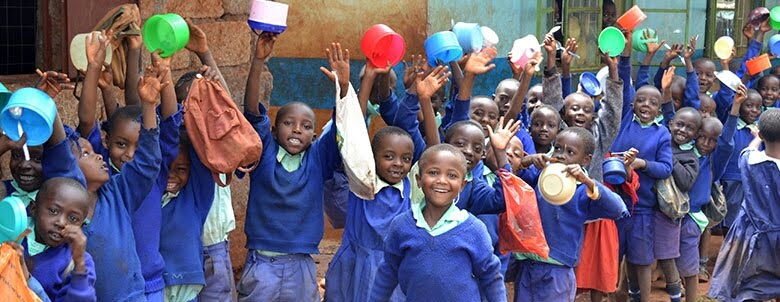
With the free school education in place in kenya, it emerged that a high number of turkana county children did not go to school for lack of food. A group of students from this region resolved to support a food program through a donation page that would offer free essay resources to university students. Touched with this story, we ask for your support to show that poor turkana child that we care for their education and a better future

No comments:
Post a Comment