Introduction
There are several internal and external environmental factors that affects a business, these factors includes; political, economic, social, technological and environmental factors. PESTE Analysis is a useful tool for understanding the ‘big picture’ of the environment in which you are operating, and for thinking about the opportunities and threats that lie within it. By understanding your environment, you can take advantage of the opportunities and minimize the threats. These factors will be discussed below.
Political
Political factors refer to the government policy such as the degree of intervention in the economy. These include things like what goods and services does the government want to provide, government attitudes to employment, consumer protection, the environment, taxation, trade restrictions, and social reforms as well as burden of bureaucracy and the level of corruption. Political decisions can impact on many vital areas for business such as the education of the work force, the health of the nation, and the quality of the infrastructure of the economy such as the road and the rail system (Allen, 2001).
Economic
This factor examines the outside economic issues that can play a role in a company's success. Items to consider include economic growth, exchange, inflation and interest rates, economic stability, anticipated shifts in commodity and resource costs, unemployment policies, credit availability and unemployment policies. These factors are determinants of an economy’s performance that directly impacts a company and have resonating long term effects. E.g. A rise in the inflation rate of any economy would affect the way companies’ price their products and services. Adding to that, it would affect the purchasing power of a consumer and change demand/supply models for that economy (Allen, 2001).
Social
This issue analyzes the demographic and cultural aspects of the company's market. These factors help businesses examine consumer needs and determine what pushes them to make purchases. Among the items that should be examined are demographics, population growth rates, age distribution, attitudes toward work, job market trends, religious and ethical beliefs, lifestyle changes, educational and environmental issues and health consciousness (Allen, 2001).
Technological
This factor takes into consideration technology issues that affect how an organization delivers its product or service to the marketplace. Among the specific items that need to be considered are technological advancements, government spending on technological research, the life cycle of current technology, the role of the Internet and how any changes to it may play out, and the impact of potential information technology changes. In addition, companies should consider how generational shifts, and their related technological expectations, are likely to affect those who will use their product and how it is delivered (Allen, 2001).
Environmental
These factors include all those that influence or are determined by the surrounding environment. This aspect of the PESTE is crucial for certain industries particularly for example tourism, farming, agriculture etc. Factors of a business environmental analysis include but are not limited to climate, weather, geographical location, global changes in climate, environmental offsets etc. environmental factors have become important due to the increasing scarcity of raw materials, pollution targets, doing business as an ethical and sustainable company, carbon footprint targets set by governments (this is a good example were one factor could be classes as political and environmental at the same time). These are just some of the issues marketers are facing within this factor. More and more consumers are demanding that the products they buy are sourced ethically and if possible from a sustainable source (Allen, 2001).
Conclusion
PESTE is a prompt standing for Political, Economic, Social, Technological and Environmental factors. These headings are used first to brainstorm the characteristics of a country or region and, from this, draw conclusions as to the significant forces of change operating within it. This provides the context within which more detailed planning can take place, so that you can take full advantage of the opportunities that present themselves.
References
Allen, M. (2001). Analysing the Organisational Environment. Select Knowledge Limited.
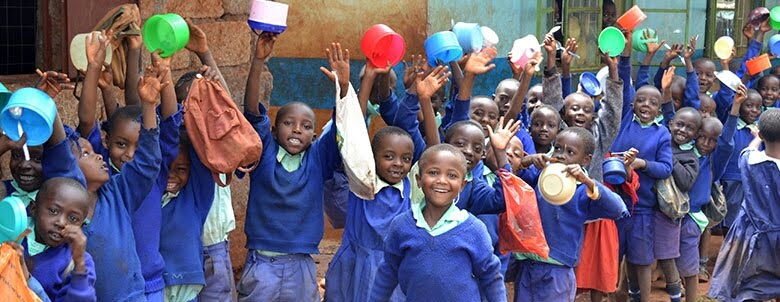
With the free school education in place in kenya, it emerged that a high number of turkana county children did not go to school for lack of food. A group of students from this region resolved to support a food program through a donation page that would offer free essay resources to university students. Touched with this story, we ask for your support to show that poor turkana child that we care for their education and a better future

No comments:
Post a Comment