Introduction
The Last of the Mohicans is a novel about the challenges faced by the Indian culture in the face of European civilization. The book follows the story of Uncas who not only represents the Mohicans, but also all the Indian tribes in North America. The book alludes to historical events that negatively affected the Indians settlements and their way of life. The tragedy that Uncas encounters at the end of the novel represents the tragedy of the Indian tribes. Although the Europeans have seemingly better culture and tactics, the native Indians respond in the best way they know how as they attempt to salvage their culture and heritage. The novel discusses how the Indians interact with the Whites and the alliances and fights they engage in as they attempt to preserve their life and culture.
The Last of the Mohicans Literary Analysis
The plot of the novel is set in the wilderness in the modern day New York. At the heart of the story is the clash of the European and native Indian cultures. The coming of the European to North America resulted in countless misery for the native Indians. The Europeans introduce new and strange ways of doing things that are in conflict with the culture of the native Indians.
The Europeans also introduced new products and leisure time activities, such as the consumption of alcohol. The introduction of alcohol by the Europeans to the native Indians results in many detrimental effects to their social life, which is built without the effects of alcohol in the small villages. To counter the effects of alcohol, the village leaders of the native Indian tribes excommunicated anyone who was hooked to alcohol (White, 2006). Magua is one of the characters in the novel who is driven away from the Hurons because he is addicted to alcohol consumption.
The novel is not only a story about the Mohicans in their attempt to overcome the racial divide, but of all the Indian tribes in North America after the arrival of the White man. In an attempt to survival the new environment imposed on the Indians by the Whites, the Indians adapt in many ways including forming friendships and alliances with the Whites. The interracial love between Uncas and Cora is viewed as undesirable and doomed. Despite the obvious challenges both meet in their attempt to actualize their love, their relationship end in tragedy. The friendship between members of different tribes but of the same sex is considered desirable and positive. Hawkeye, who is a White man, is friends with Chingachgook, a Mohican Indian. They share this friendship because they share a common view of nature. Their friendship enables them to overcome many handles including defeating the Huron enemies (McWilliams, 1994).
The native Indians and Whites in the wilderness have to adapt to the hostile environment they find themselves in if they are to survival. One of the major changes that occur in the organization of the family is the status of the family. Hawkeye and Uncas form a makeshift family unit after Chingachgook, Uncas father disappears with no explanation. Hawkeye becomes Uncas symbolic father and as Uncas develops leadership qualities, he adopts some of Hawkeyes qualities. Some of the qualities Uncas inherits from Hawkeye include his charisma and skill, just like a biological son inherits qualities from his father. Uncas and Hawkeye form a family that is not blood related and transcends race. Despite the redefinition of family, mixed race families are a taboo as evident by the end of the relationship between Uncas and Cora. However, although Cora and Uncas cannot act on their interracial attraction, they pave the way for a redefinition of family in both the native Indian and White societies (White, 2006).
To ensure the survival of oneself or his or her bloodline, the characters in the novel result to hybridity. Hybridity occurs when different elements of either race or nature interact to form one whole. Cora is a product of a union between a Black mother and White father. Her Black heritage is cited as the reason she is attracted to the Indian men. Hawkeye is a White man by birth but lives and behaves like a Native Indian man. Hawkeyes ability to combine elements from both the White and Indian culture is the reason for his success. After the disappearance of his father, Uncas is adopted by Hawkeye and learns some of his ways, which are part of Hawkeyes White heritage (Smith, 2006). By not limiting themselves to their cultures and environment, the characters in the story overcome many handles and manage to survive. Uncas learns how to become a man and a leader of his people despite many of the valuable lessons coming from Hawkeye, who is a White man by birth (Rountree & Cooper, 1954).
Gamut, a European who is also a Calvinist attempt to introduce Christianity to the native Indians and transfer the firm code of conduct in European to the new colonies in America. Hawkeye mocks Gamut for his believes and often favor human ability to adapt to his environment over the idea that God has a grand plan held by Gamut. Hawkeye adapts to his surrounding and often help other characters including Gamut to survive in the wilderness. Gamut eventually changes his view about the world and becomes a more helpful individual in the survival efforts of the Whites in the hostile environment. The Europeans in America have not only the challenge of the hostile native Indians resisting encroachment into their territory, but also the rugged terrain, which serves as the battlefield when they encounter hostile tribes and the French (Rountree & Cooper, 1954).
Conclusion
The events in The Last of the Mohicans take place during the scramble and colonization of North America by the France, Spain, and Britain. The events focus on a conflict between the French and British over the possession of land in North America. Unlike other conflicts that started in European, this conflict started in the disputed territories and the native Indians are involved. The Native Indians confront a new world in which they must adapt and rearrange their priorities if they are to survive. Both Whites and the native Indians must make the right choices if there are to survive in the changing world. The Whites not only change the culture and environment of the natives but are also shaped and influenced by the encounters.
References
McWilliams, J. P. (1994). The last of the Mohicans: Civil savagery and savage civility. New York: Twayne Publishers
Rountree, T. J., & Cooper, J. F. (1954). The last of the Mohicans: Notes; incl. chapter summaries and comm., critical analysis, sel. examination questions. Lincoln, Neb: Cliff Notes
Smith, L. C. (2006). Cross-cultural hybridity in james fenimore cooper's the last of the mohicans. American Transcendental Quarterly, 20(3), 527-552,591.
White, C. (2006). Student companion to James Fenimore Cooper. Westport, Conn: Greenwood Press.
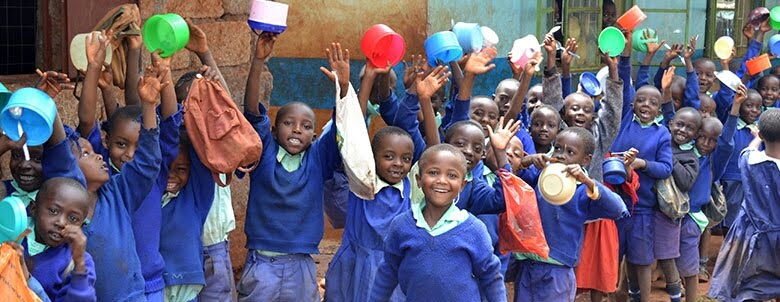
With the free school education in place in kenya, it emerged that a high number of turkana county children did not go to school for lack of food. A group of students from this region resolved to support a food program through a donation page that would offer free essay resources to university students. Touched with this story, we ask for your support to show that poor turkana child that we care for their education and a better future

No comments:
Post a Comment