Peacemaking circles is a society initiative that provides an alternative for behavior correction other than imprisonment. The focus is on offences that the community believes are correctable without the offender serving a prison sentence. Repeated offenders who the normal justice system does not seem to correct are also part of the circles focus. The Roca Organization runs peacekeeping circles in the Boston neighborhoods mainly occupied by immigrant youths (Boyes-Watson 19,124).
The Roca Organization helps its members acquire values, principles, and peacemaking practices that help them reintegrate into the society successfully. The organization has social workers who actively look for disconnected youths in the streets of small towns around Boston and encourage them to join them. The members of the organization also include offenders
introduced by their parole officers to help in the correction process. The organization encourages collective responsibility. They follow-up their members until they see the importance of showing up for themselves. The organization includes life and job skills that help the members not only reintegrate into the society but also have a capacity to meet their financial needs. The peacekeeping circles help the urban youths deal with modern monsters, such as teen pregnancy, drug addition, violence, and crime (Stuart 226).
In the You Tube video, the attributes of the circles and members are the emphasis. Honesty, respect, and openness are the most important virtues for the circle to achieve success. Sharing personal experience is the most important aspect of the peacekeeping circle. When the members share their experience, they encourage the new members to be open. Sharing a personal experience is the first step to healing. Each member of the circle makes personal pledges that the members are responsible. Failing to follow a personal pledge is a concern for the whole circle and warrants a meeting to solve the issue. The Roca organization intervention is a successful initiative that saves thousands of youth each year (Moore).
Works cited
Boyes-Watson, Carolyn. Peacemaking Circles & Urban Youths-Bringing justice home. Minnesota: Living Justice Press, 2008: 15-38, 109-138.
Moore, Paulette.
Stuart, Barry. Restorative community justice-repairing harm and transforming communities. Ohio: Anderson publishing company, 2001: 219-240.
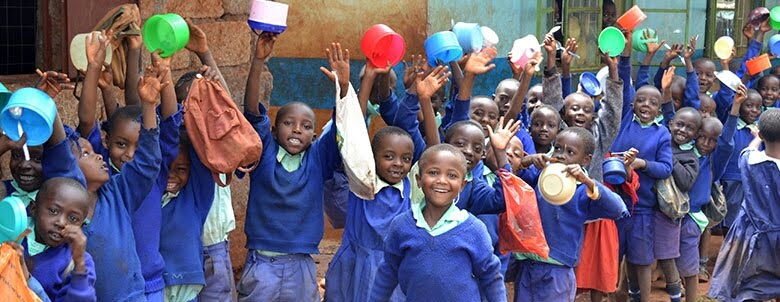
With the free school education in place in kenya, it emerged that a high number of turkana county children did not go to school for lack of food. A group of students from this region resolved to support a food program through a donation page that would offer free essay resources to university students. Touched with this story, we ask for your support to show that poor turkana child that we care for their education and a better future

No comments:
Post a Comment