The Global Water Crisis is most crucial in providing an adequate food supply
Shortcomings of past programs and how the challenge can be tackled
There is more than enough water in the world to drink and produce the food needed by the current population. However, the contributed waste of water and the poor distribution of produced food results in food shortages
. Many programs have been devised to address the issue of water shortages, especially for the urban population and poor in developing nations. The programs address the efficient use of water in the household and the supply of water to poor living in rural areas in developing nations. Some of the programs are marketing campaigns that encourage people in urban areas to use less water daily by using more water efficient devices and appliances in their homes. Campaigns in developing nations focus on ensuring that the poor and vulnerable in the society have water. The programs engage in digging wells and distribution of water using energy efficient means, such as gravity, wind, and solar power. While the programs help improve the lives of many, they do not address the real issue contributing to water shortages in the world. Wasting food products is the number one contributor of food products in the world. More than 25% of the water used in the world for food production is spent on food products that end up in the garbage. To address the issue of water shortage effectively, it is imperative that the programs focus of improve the distribution of food products to ensure that the food end up on the plates of those who need it (Sizer & Whitney, 2013).
Why pockets of hunger exist in both developed and developing nations
Water shortage is a prerequisite for food shortage. However, food shortage does not occur in isolation, it interacts with poverty. It is common for those people who are economically incapable to be also food insecure, especially if they occupy areas where the land is not productive or dwell in urban centers. Because of the nature of the society, which is capitalist, the vulnerable people often occupy polluted areas where clear water is not readily available and water for crop production does not exist. Water shortage limits the capacity of those people, especially in developing countries, to produce their food. In the developed nations, the well up people in the society often have more than enough to eat, which results in food wastage. Millions of liters of water spend to produce food; more liters of fuel used to transport, and energy for storage the food go to waste each year. The amount of food produced in the world currently is enough to feed the existing population and still have some to spare. However, lack of appropriate distribution mechanisms result in the availability of excess food to the economically endowed and lack of enough food to the economically incapable in the society (Qureshi & Hanjra, 2010).
The environment and world hunger
Water shortage interacts with poverty in a continuously changing environment. The continued burning of fossil fuels and the use of chemical products derived from the fossil fuel escalate the problem. Gases released from the combustion of fossil fuels lead to increased atmospheric temperatures. This accelerates the evaporation of water from the soil surface limiting the availability of water for crop production. The increased ambient temperature also increases the crops demand for more water for limiting the production of crops in these areas. The use of chemicals and pesticides in the production of crops contaminate water in natural sources, such as rivers and lakes rendering in unsafe for human use (Qureshi & Hanjra, 2010). The improvement of farming techniques has increased the capacity of humans to produce crops even in previously dry areas using underground water. However, this has advantages in the short run and detrimental consequences in the end. This is because the use of underground water leads to a slow process of desertification. The process of climate change creates water shortages, which in turn limit the productivity of land leading to increasing world hunger. This is evident by the encroaching desert in many parts of the world where rainfall previously supported plant life (Sizer & Whitney, 2013).
References
Sizer, F. & Whitney, E. (2013). Nutrition: Concepts and controversies. Stamford: Cengage Learning.
Qureshi, M. E. & Hanjra, M. A. (2010). Global water crisis and future food security in an era of climate change. International center of water for food security. 35(1), 365-377.
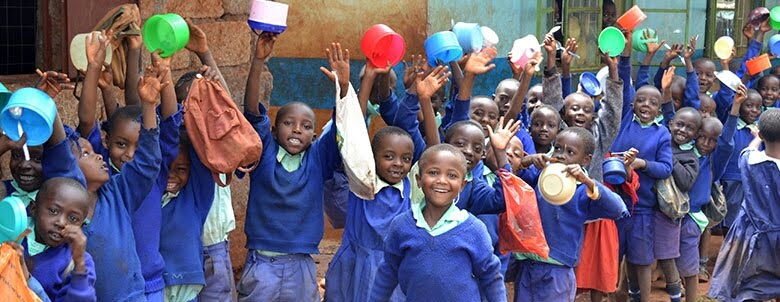
With the free school education in place in kenya, it emerged that a high number of turkana county children did not go to school for lack of food. A group of students from this region resolved to support a food program through a donation page that would offer free essay resources to university students. Touched with this story, we ask for your support to show that poor turkana child that we care for their education and a better future

No comments:
Post a Comment