Teen pregnancy is a serious social problem in the society. Every year more than 750, 000 teens get pregnant. Among them, only a few plan for the pregnancy. At their teen, young girls are not emotionally and physically ready to raise a child. A Majority of teenage mother drops out of high school and most never attend college. Teenage pregnancy also result to a higher rate of delivery deaths, especially if the teen is 15 years or younger. The child may also develop physical problems because the mother is at times biologically unprepared to handle the pregnancy
. Some of the children born to teenage mothers have intellectual retardation and congenital abnormality (Witte, 1997).
To curb the serious issue of teen pregnancy threatening the fabric of the society, there is need to conduct effective campaigns. To ensure the success of the campaign against teen pregnancy, the message communicated in the campaign must be developed through theoretical guidance. The theoretically guided messages are more likely to succeed and achieve their goals than campaign messages developed in a haphazard manner. Researches in the past 50 years suggest that the fear appeal theory is the most successful in compacting teen pregnancy. Fear appeal does work in promoting health messages but under certain conditions. The Extended Parallel Process Model (EPPM) appeals to fear to curb the quandary of teen pregnancy. The EPPM target the awareness, mind-sets, and beliefs of teenage mothers toward pregnancy, especially before they got pregnant. It is possible to develop a campaign message directly targeting the teens beliefs because the campaign developers understand what is important to the teens (Neutens & Rubinson, 2010).
The EPPM is a health risk message theory that outlines when and why fear appeal works. The EPPM may result in one of two responses, depending on the structure and content of the message. The responses may either be danger control or fear control. Danger control is the desired result. Fear control dominates when the perceived risk is high and the efficacy of the control measures is low. Danger control dominates when the perceived risk is high and the efficacy of the control measure is high. To ensure the success of teen pregnancy campaigns, the message of the campaign must not only contain the possible causes of teen pregnancies, but also possible ways the teens may protect themselves if they decide to engage in sexual intercourse (Witte, 1997).
The EPPM focuses on making the teenagers realize they are susceptible to pregnancy, STDs, and HIV-infection if they engage in unprotected sex. Fear appeal is effective in increasing this awareness because it breaks down the perception of invulnerability. To ensure the response of the teen audience is danger control, the campaign offers feasible and effective recommendations of preventing pregnancy and STDs. The effectiveness of fear appeal over other strategies is that the fear appeal motivates the teens to act. The fear appeal campaign comprise of two equally important components (Neuman, 2009). First, the teenagers are made aware of the negative consequences of teen pregnancy. Teens do not fear pregnancy. Reality TV shows like “16 & pregnant” and “Teen Mom” make teen pregnancy appear glamorous. Humans are social by nature. Appeal to loss of social life is perhaps the scariest thing to a teenager. The campaign must emphasize the resulting loss of social life because of teen pregnancy. The most effective speakers are the existing teen mothers (Witte, 1997).
The campaign makes specific recommendations to the teenage audience. Abstinence is the most effective way to prevent early pregnancy and STDs, contraceptives have a role to play. Condoms and birth control pills are important, especially for those teens who still desire to engage in sexual intercourse. Early sex education is also paramount to reducing teen pregnancy. Information about sexual intercourse, its consequences, and birth control measures must be available to the children at a very early age, preferably 12 to 13 years. Early sex education will help mold the altitude of the teens toward sex and motivate them to protect themselves, if they engage in sexual intercourse (Witte, 1997).
Annotated bibliography
Neuman, W. L. (2009). Understanding research. Boston, MA: Pearson Education.
The book covers major social research concepts and illustrates the usefulness of research in a variety of real life situations. The book includes examples and illustrations from many academic disciplines. The content in the book is comprehensive and illustrative various approaches used in social sciences.
Neutens, J. J., & Rubinson, L. (2010). Research techniques for the health sciences (4th ed.). San Francisco, CA: Pearson Benjamin Cummings.
This source discusses research techniques used in health sciences. The book uses unique case studies to provide immediate application to its content. All the examples in the book are health related and use real-life cases. The book also contains information on common statistical procedures and script preparation.
Witte, K. (1997). Preventing teen pregnancy through persuasive communications: Realities, myths, and the hard-fact truths. Journal of Community Health, 22(2), 137-54
The journal discusses the issue of teenage pregnancy and how best to combat it. Basing it information from previous studies, the article provides the most comprehensive counter-measures against teenage pregnancy. It is in favor of fear appeal, especially in children at an early stage to mold their attitudes toward sex and early pregnancy.
References
Neuman, W. L. (2009). Understanding research. Boston, MA: Pearson Education.
Neutens, J. J., & Rubinson, L. (2010). Research techniques for the health sciences (4th ed.). San Francisco, CA: Pearson Benjamin Cummings.
Witte, K. (1997). Preventing teen pregnancy through persuasive communications: Realities, myths, and the hard-fact truths. Journal of Community Health, 22(2), 137-54.
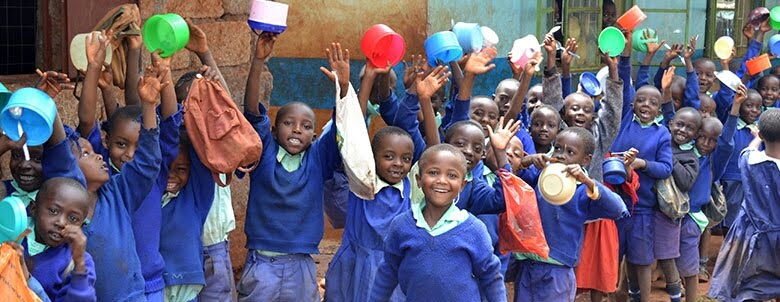
With the free school education in place in kenya, it emerged that a high number of turkana county children did not go to school for lack of food. A group of students from this region resolved to support a food program through a donation page that would offer free essay resources to university students. Touched with this story, we ask for your support to show that poor turkana child that we care for their education and a better future

No comments:
Post a Comment